PIP Seamless Knit Polyester Glove W/ Latex Coated Crinkle Grip, Medium, Gray, 12 Pk Model 39-1310/M
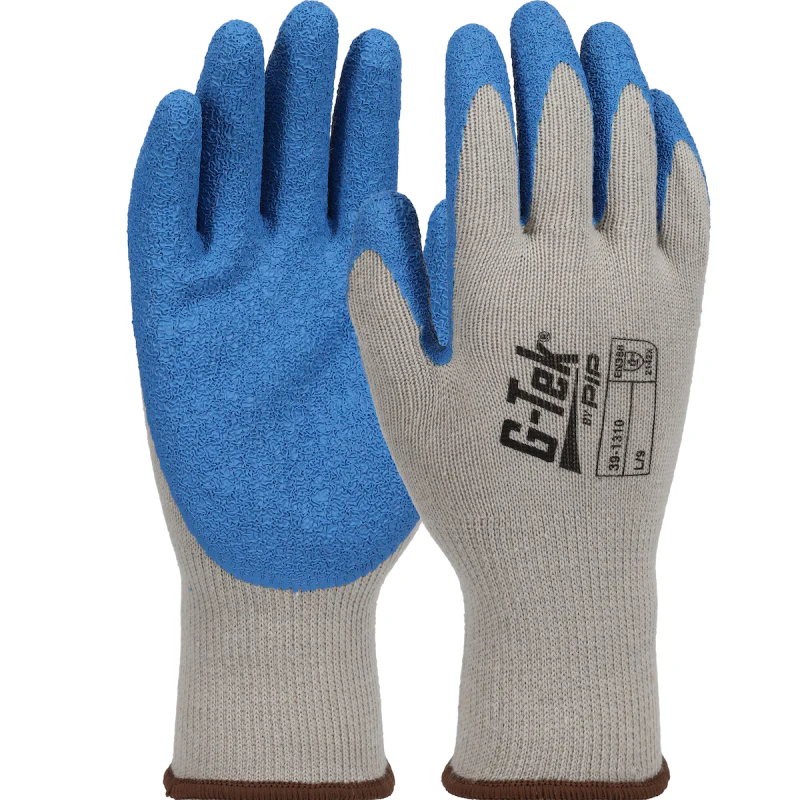
PIP Seamless Knit Polyester Glove W/ Latex Coated Crinkle Grip, Medium, Gray, 12 Pk Model 39-1310/M
PIP Seamless Knit Polyester Glove W/ Latex Coated Crinkle Grip, Medium, Gray, 12 Pk Model 39-1310/M
- Cut Level: A1
Test Method: ASTM F2992-15
- Puncture Level: 3
Test Method: ASTM F1342
- Abrasion Level: 3
Test Method: ASTM D3389-10
ANSI/ISEA has released a new edition of the ANSI/ISEA 105 standard (2024 ed). The changes include a new standardized glove label for easier identification of key protection levels for both distributors and end-users. The new pentagon marking was created to simplify and standardize the identification of protective glove performance levels, including abrasion, cut, and puncture resistance. By consolidating this information into a single, easily recognizable label, it improves usability for workers and reduces the risk of selecting inadequate protection. Learn more.
- Cut Level: A1
- Test Method: ASTM F2992-15
New edition ANSI/ISEA 105-2024 outlines a new test method for determining cut scores and a revised scale from A1-A9. Click here for more information about the new testing standard.
- Abrasion Level: 3
- Test Method: ASTM D3389-10
The ANSI/ISEA 105-2024 standard outlines test methods for abrasion and is scored from 0-6. The ASTM D3389-10 is used for uncoated gloves and the end point (failure) is the number of abrasion cycles when the first thread or yarn is broken. The larger numbers of cycles indicates greater abrasion resistance of the product and a higher Abrasion Level.
- Puncture Level: 3
- Test Method: ASTM F1342
The ANSI/ISEA 105-2024 blunt force puncture testing uses a probe to simulate a tear or burst hazard. The test measures the amount of force needed for a blunt probe to pierce through PPE material. Results are given in Newtons, which is converted into a 1-5 scale and spans from 10 newtons (Level 1) to 150+ newtons (Level 5) of puncture resistance.
- EN 388 2016 Results: 2142X
- Abrasion: 2Cut (Coupe Test): 1Tear: 4Puncture: 2Cut (TDM-100 Test): Impact Protection: X
EN 388 is a European Standard. Cut Level is determined by the number of cycles it takes a spinning circular blade, that is pulled across the material under a constant weight of 500 grams, to cut the fabric. As the number of cycles increase, so does the glove's ratings. Click here for more information about the EN 388 2016 standard.
Product Information
Product Information
Shipping & Returns
Shipping & Returns
Description
PIP Seamless Knit Polyester Glove W/ Latex Coated Crinkle Grip, Medium, Gray, 12 Pk Model 39-1310/M
- Cut Level: A1
Test Method: ASTM F2992-15
- Puncture Level: 3
Test Method: ASTM F1342
- Abrasion Level: 3
Test Method: ASTM D3389-10
ANSI/ISEA has released a new edition of the ANSI/ISEA 105 standard (2024 ed). The changes include a new standardized glove label for easier identification of key protection levels for both distributors and end-users. The new pentagon marking was created to simplify and standardize the identification of protective glove performance levels, including abrasion, cut, and puncture resistance. By consolidating this information into a single, easily recognizable label, it improves usability for workers and reduces the risk of selecting inadequate protection. Learn more.
- Cut Level: A1
- Test Method: ASTM F2992-15
New edition ANSI/ISEA 105-2024 outlines a new test method for determining cut scores and a revised scale from A1-A9. Click here for more information about the new testing standard.
- Abrasion Level: 3
- Test Method: ASTM D3389-10
The ANSI/ISEA 105-2024 standard outlines test methods for abrasion and is scored from 0-6. The ASTM D3389-10 is used for uncoated gloves and the end point (failure) is the number of abrasion cycles when the first thread or yarn is broken. The larger numbers of cycles indicates greater abrasion resistance of the product and a higher Abrasion Level.
- Puncture Level: 3
- Test Method: ASTM F1342
The ANSI/ISEA 105-2024 blunt force puncture testing uses a probe to simulate a tear or burst hazard. The test measures the amount of force needed for a blunt probe to pierce through PPE material. Results are given in Newtons, which is converted into a 1-5 scale and spans from 10 newtons (Level 1) to 150+ newtons (Level 5) of puncture resistance.
- EN 388 2016 Results: 2142X
- Abrasion: 2Cut (Coupe Test): 1Tear: 4Puncture: 2Cut (TDM-100 Test): Impact Protection: X
EN 388 is a European Standard. Cut Level is determined by the number of cycles it takes a spinning circular blade, that is pulled across the material under a constant weight of 500 grams, to cut the fabric. As the number of cycles increase, so does the glove's ratings. Click here for more information about the EN 388 2016 standard.